










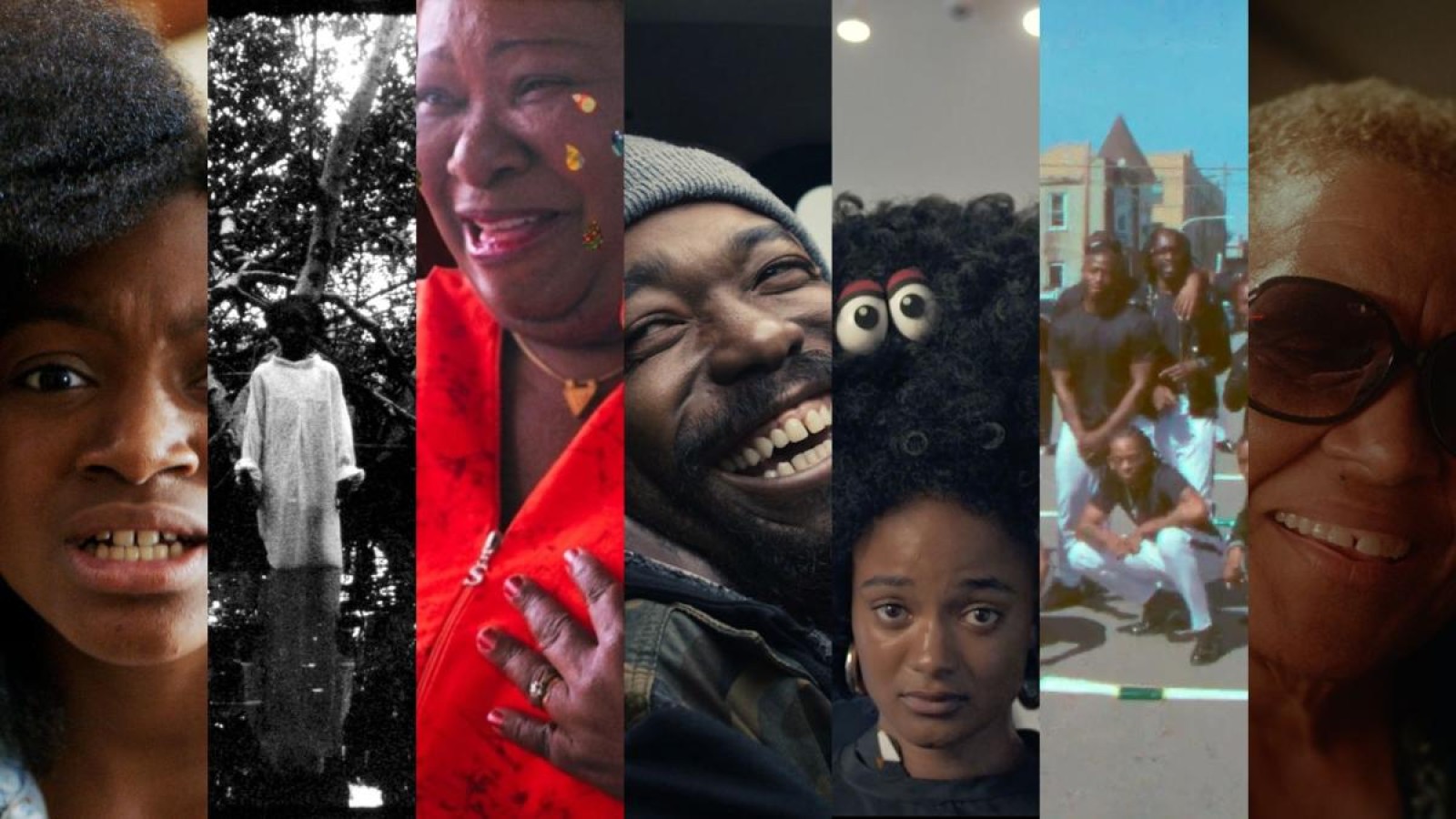

The highly anticipated Black Harvest Film Festival is set to open on Friday and will run through November 16, bringing to the forefront a remarkable lineup of emerging filmmakers. The festival places a strong emphasis on highlighting stories of Black joy, new voices, and pays tribute to the iconic Tyler Perry, making it a unique celebration of Black culture in the world of cinema.
Among the featured films is “For The Crib,” a captivating 5-minute short film directed by Lawrence Agyei. This film documents the triumphant return of Chicago’s South Shore Drill Team after an unexpected hiatus during the early days of the COVID-19 pandemic. Agyei, who has made Chicago his home, shared his profound connection to the young drill team members and their stories, underscoring the impact of the team’s post-shutdown return.
The Black Harvest Film Festival provides a significant platform for new filmmakers to showcase their work. As an example of the festival’s commitment to supporting fresh talent, it has established the Sergio Mims Fund for Black Excellence in Filmmaking. This fund is dedicated to honoring the memory of the festival’s late co-founder, Sergio Mims, who passed away last fall. By supporting and giving exposure to emerging artists, the festival contributes to the development of a new generation of filmmakers.
Lawrence Agyei, primarily known as a photographer, makes his debut at the Black Harvest Film Festival with “For The Crib.” Reflecting on his journey into filmmaking, Agyei shared his lifelong love for cinema, emphasizing his desire to create a film that pays homage to the South Shore Drill Team.
Jada-Amina, a Chicago artist and the festival’s lead curator, pointed out the narrative brilliance of artists like Gordon Parks, who allowed subjects to “speak their truth into the image.” Her vision is to highlight this art and champion Black stories and history. Jada-Amina’s curatorial approach centers on her personal experiences as a Black child, recognizing the vital role that community, history, and cultural institutions play in shaping the Black experience.
For this year’s festival, Jada-Amina has selected films that resonate with shared Black experiences, despite not always being seen as mainstream. She described her curatorial process as a reflection of her personal interests and the desire to reimagine the presentation of Black culture as cultural stewards.
Filmmaker Rachel Gadson, a Chicago visual artist, embarked on her first venture into filmmaking with “Dear Black Artist.” In this short film, Gadson delves into the journeys of Black artists by conducting interviews with 77 creatives, including Jada-Amina. Her exploration highlights the intellectual foundations that have shaped many Black artists, such as the influence of art teachers in Chicago Public Schools and the role of Black churches on the South Side of Chicago.
Arionne Nettles, a lecturer and director of audio journalism programming at Northwestern University’s Medill School, expressed her excitement for the festival, emphasizing the transformational impact such opportunities have on emerging artists. As Black Harvest Film Festival opens its doors, it offers an incredible platform for the fresh voices in the world of cinema, giving audiences a chance to experience the magic of emerging filmmakers.
Event Details: The Black Harvest Film Festival opens on Friday and runs until November 16 at the Gene Siskel Film Center, located at 164 N. State St. General admission tickets are available for $13 for most events, and festival passes, which include six tickets, are priced at $60 for the public and $30 for film center members.