


















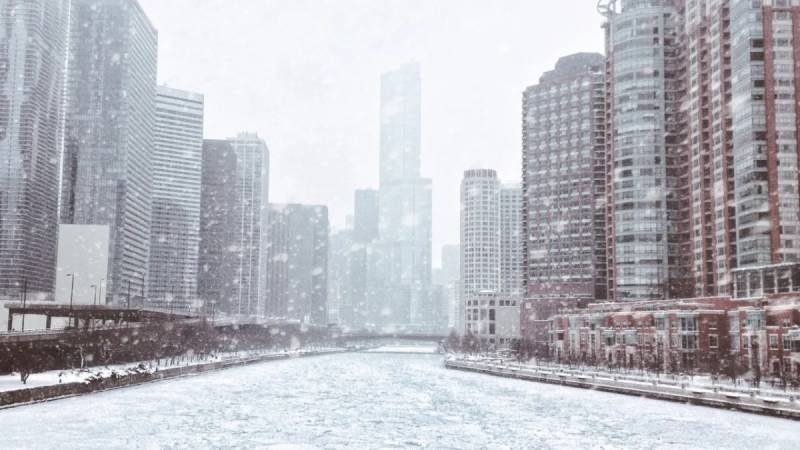

While most definitions state that winter officially began a few weeks ago, the official start of the season is soon coming.
In the world of weather forecasting, “winter” started on December 1 and will last until February 29. This explains the sarcasm at the beginning. “Meteorological” seasons begin on the first of the month.
Astronomers say that a few weeks later, on the shortest day of the year in the Northern Hemisphere, winter officially begins.
That date is December 21, 2023. According to astronomers, the winter solstice will officially occur at 9:27 p.m. on that day.

With just less than nine hours and eight minutes of daylight, it will also be the shortest day of the year. After then, the days will gradually get longer, albeit through the first of January, sunrises will still happen later in the day.
In actuality, the winter solstice doesn’t coincide with the earliest sunset of the year. In the Chicago region, that has already happened, and later this week, sunset is gradually starting to happen.
It will remain in place for just less than three months, even with the extra day in February due to the leap year. Astronomers predict that the spring equinox will occur on March 19 at around 10:07 p.m.
Come December 21, meteorologists and astronomers will agree that it is winter, but the weather likely won’t reflect this fact. The upper Midwest is forecast to have above-average temperatures at the start of winter, according to the Climate Prediction Centre. Additionally, precipitation is predicted to be below average, with a forecast range of trust of 60 to 70 %.