


















Yuchen Fang has built his career around the idea that editing is the foundation of filmmaking. Trained at the globally renowned New York Film Academy and the American Film Institute, he has worked on a range of projects, including but not limited to feature films, documentaries, short films, and commercials. More recently, he has become closely associated with vertical projects, including Enemies With Benefits, My Big Bad Husband, and My Secret Lover Is My Bestie’s Son. These projects echo both the opportunities and challenges of a format designed for mobile-first audiences.
Vertical filmmaking necessitates a reimagined approach to storytelling by editors. In contrast to traditional wide shots and intricate backgrounds, this format predominantly utilizes close-ups and medium close-ups. Yuchen shared that the reduced visual scope necessitates a greater emphasis on the actors’ facial performances, as this is the predominant focus for the audience. Thus, this paradigm shift heightens the editor’s responsibility to effectively capture and maintain the emotional intensity conveyed within a vertical frame.
For Yuchen, this also meant adjusting pacing. Vertical shows are often watched in short bursts, with viewers scrolling on their phones while commuting, eating, or taking a break. This on-the-go viewing behavior demands episodes that feel fast and direct, leaving little room for slow-building emotion. To keep people watching, he emphasized quick cuts, strong beats, and sound design that immediately signals shifts in tone.

Of the projects Yuchen has worked on My Big Bad Husband, a project he describes as particularly challenging. The show’s emotional tone required more nuance than most vertical series allow, testing his ability to maintain engagement across a format built for speed. He found himself needing to carefully balance the rapid-fire editing with moments that allowed the emotional depth of the characters to resonate, ensuring that the audience remained invested despite the fast pace. My Secret Lover Is My Bestie’s Son posed a different test, leaning more into dramatic shifts and lighthearted elements. This project allowed Yuchen to explore how to effectively manage sudden tonal changes within the vertical format, using editing to amplify both the comedic and dramatic beats. Each project sharpened his adaptability, showing him how to handle variations in tone while working within the same structural constraints. These experiences gave the editor a clearer sense of how vertical content fits into a broader media landscape. The lessons about pacing, emotional cues, and keeping audiences engaged are not limited to phone-based storytelling. They also inform how he approaches more traditional projects, particularly in understanding how to hold attention from the very first scene.
Yuchen also worked on Enemies With Benefits as an Assistant Editor & Digital Imaging Technician. In particular, the series demonstrates how he adapted most effectively to this new environment. Structured in short episodes, the series relies on heightened drama and humor to capture attention in seconds. He approached the editing with the understanding that audiences could swipe away at any moment, so every cut had to matter.
Sound became central to the process. Music and effects didn’t simply support the story; they actively guided the audience’s emotions. Whether sadness, anger, or surprise, the sound design delivered clear cues that created momentum across the rapid sequence of scenes. This left little time for audiences to overthink; instead, they were carried through by immediate feeling.
Still, Yuchen found ways to strike a balance between speed and depth. Once viewers were invested in the series, he allowed occasional episodes to slow down and breathe, giving space for emotional beats to register before returning to the show’s usual pace. This contrast reinforced both the drama and the characters’ development, proving that vertical storytelling could accommodate more than just quick entertainment.
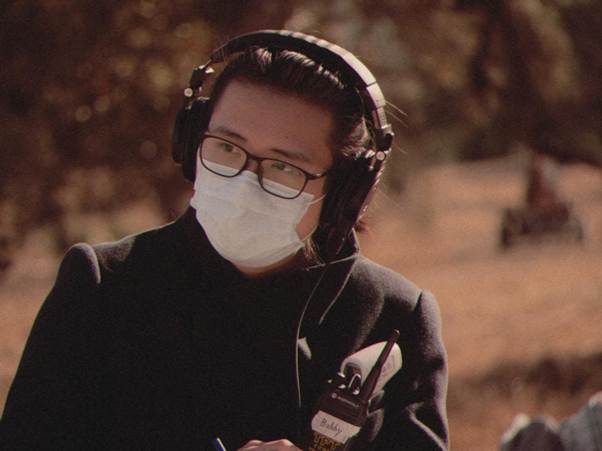
Yuchen views editing as assembling a puzzle. He sees his role as connecting the pieces of footage into a whole that supports the director’s vision. Rather than imposing his own ego, he focuses on clarity and collaboration, believing that the editor’s work is at its best when it becomes invisible. Technically, he favors intricate cuts over fades or dissolves, preferring clean transitions that maintain momentum.

While technology continues to introduce new tools, he maintains that the human element, knowing when to cut and how long to hold a shot, remains at the heart of editing. While vertical projects have defined much of his recent work, Yuchen sees them as preparation for broader opportunities. He hopes to work on a television series, drawn to the balance between extended storytelling and episodic structure. He is also interested in stories about the generation of Chinese people born in the 1990s, a group he feels is caught in the conundrum of rapid modernization and traditional expectations. For Yuchen Fang, these projects represent more than professional growth. They are a way to inspire audiences and offer new perspectives. Whether editing for a two-minute episode on a phone screen or a more extended narrative in a traditional format, his focus remains the same: telling stories that connect with people and encourage them to think more deeply about the world around them.
Read more about Yuchen Fang at Yuchen Fang – IMDb.