





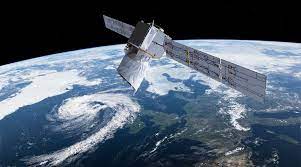

An out-of-service satellite named Aeolus is being guided back to Earth in a first-of-its-kind mission by the European Space Agency (ESA). This mission might open the door to the safe return of satellites that weren’t initially intended for controlled reentry.
After completing its mission on June 19, the satellite has been descending from its operational altitude of 320 kilometers above the surface of the earth. On Monday, July 24, the ESA mission team utilized the last of Aeolus’ fuel to launch the first of numerous crucial maneuvers that would help guide the satellite slowly back to Earth.
On Friday, July 28, the final maneuver is slated to take place. During this maneuver, the operators will guide the satellite down from a 150-kilometer height to just 120 kilometers. The spacecraft will now start reentering the atmosphere. The majority of the satellite would be burning up at an altitude of around 80 kilometers, but some bits would still fall to Earth’s surface. This shouldn’t be a threat if all goes as planned because the mission controllers are aiming for a remote area of the Atlantic ocean.
According to the European Space Agency, the Atlantic Ocean offers the best satellite visibility during the last reentry phase. The agency also asserts that this endeavor will cut the risk from reentering satellites by 42 times, despite the fact that overall risk is fairly low.
Aeolus, which means “keeper of winds” in Greek mythology, was the first satellite to directly detect wind directions and speeds throughout the world when it was launched in 2018. This enabled scientists to enhance global weather forecasts.