






Anne Frank was a Jewish youngster who composed an unforgettable book about going through two years secluded from everything while the Nazis involved Amsterdam. She was 15 when she passed on of typhus in 1945 in Bergen-Belsen concentration camp, yet her diary about her girlhood expectations, crushes and dreams while living a nightmare has inspired generations.
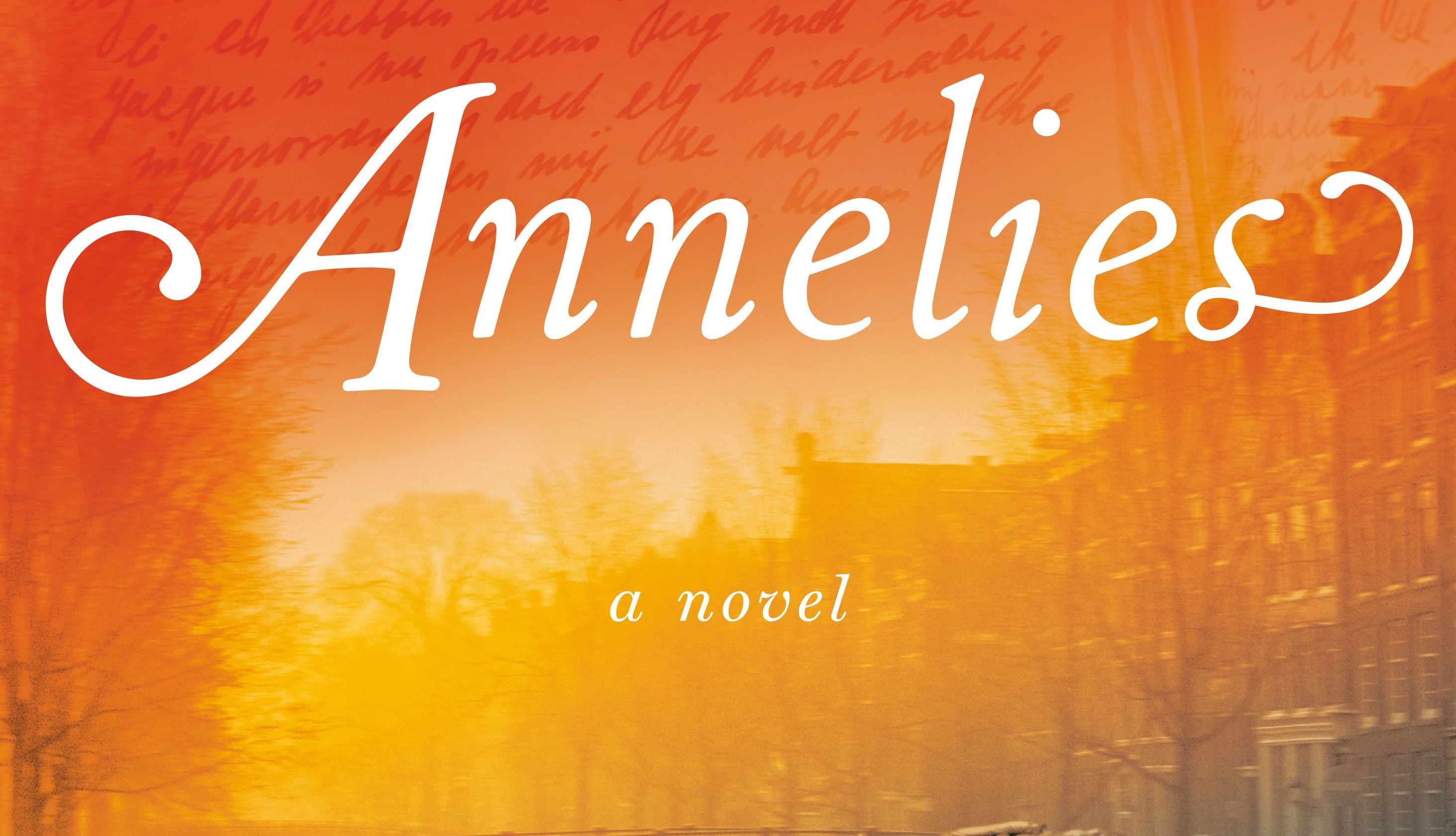
Bestselling novelist David R. Gillham (City of Women) imagines what might have happened had Anne survived the Holocaust in “Annelies,” (Viking, 416 pp., ★★★ out of four), out Jan. 15.
Liberated from the death camp, Anne has lost her sister, Margot, to typhus and her mom to starvation. She finds her beloved dad Otto, (in real life, Otto Frank endure Auschwitz and published Anne’s diary) and they come back to an Amsterdam that is loaded with casual cruelties to the survivors of the Nazis, where German Jews stay subject to deportation. The war may have finished, however the anti-Semitism it manifested still seethes.
Gillham’s Anne is loaded with youthful apprehension: wrath at her dad for choosing to embrace life and blame that she endure while her sister and mom did not. Otto – Anne calls him Pim — takes a new wife, as Anne cruelly lets him know, only a year and four months after her mom starved to death while hoarding bread for her darling little girls. Margot haunts Anne, showing up all through the novel in the filthy, rags of the camps, a yellow star of David stuck to her sweater.
Gillham places a hypothesis on a persisting puzzle: Who informed on the Franks, damning them to the death camps? Anne comes back to work in the workplace of the pectin plant Pim possessed before the war, yet her dear Dutch companion Bep shows up progressively on anxious. Does Bep – who helped feed and dress the Franks and four others for 25 months in their mystery home – realize who ratted out the Franks?
As Nazi collaborators are routed out in the midst of post-war nourishment deficiencies, Anne rages against Pim and her stepmother and desperately pursues a rough warehouse laborer. A merciful book shop proprietor urges Anne to compose – her famous diary has been missing since police blasted through the entryway of their hidden annex (an occasion Gillham presents with shockingly little show) – and to head for America.
Gillham envisions the happy ending the real-life Anne Frank never had, total with Anne’s chipper answers to fan letters about her best-selling “The Secret Annex.” Gillham is a powerful storyteller, and Annelies is marbled with extra expert articulation that catches the craziness of life after the camps, in expressions like “Office work after Auschwitz.”
No novelist, anyway gifted, could rival the intensity of Anne Frank, a young lady who could invoke trust in the midst of humankind’s darkest years. In any case, months after a shooter killed 11 worshippers in a Pittsburgh synagogue, a novel that reminds the world to remember Anne Frank is most welcome.