





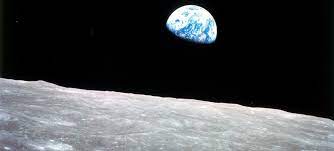

Civilizations have contemplated the origin and mysteries of the Moon for millennia by gazing up at the sky.
The development of the first telescopes opened a new chapter in humankind’s study of Earth’s celestial neighbor as well as in ground-based studies.
After the advent of space travel about 70 years ago, the Moon soon rose to the top of the scientific priority list. This includes numerous crewed flights that led to the historic first Moon landing in 1969.
In order to recognize the anniversary of the Apollo 11 landing and to increase public awareness of national and international space programs’ dedication to sustainable lunar exploration, the UN General Assembly proclaimed July 20 as International Moon Day.
“NASA and its other space organizations plan on conducting more study in the future to enhance human welfare and satiate the human curiosity about the universe. Without the work of ITU, such exploration expeditions would not be conceivable, the spokesperson claimed.