


















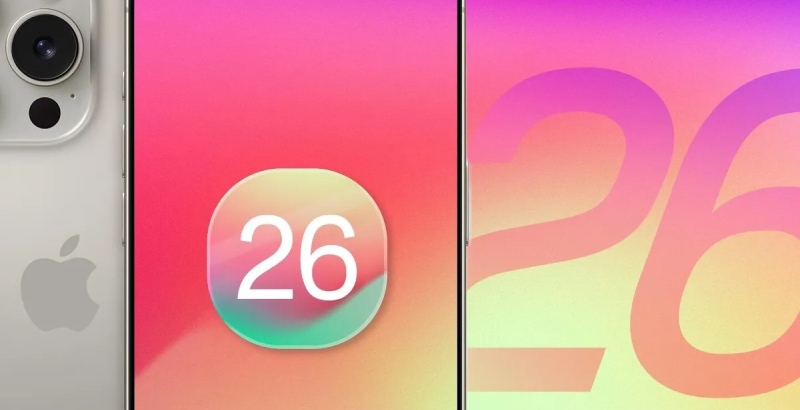

iOS 26, Apple’s upcoming major iPhone upgrade, will have a Liquid Glass redesign along with a ton of new features. Although iOS 26 is currently available for beta testers to test, the general public will not be able to access it until later. Here is when it is expected to launch.
This fall, iOS 26 will be released, most likely in mid-September.
As of right now, Apple has only stated that iOS 26 will be available to everyone this fall.
However, we may be far more specific about the expectations by looking at the history of software releases.
The dates of the last three major iOS versions’ releases are as follows:
- iOS 18: September 16, 2024, Monday
- iOS 17: September 18, 2023, Monday
- iOS 16: September 12, 2022, Monday
Within a week of Apple’s major iPhone announcement, each of these launches took place.
The event took place on September 9 in 2024, September 12 in 2023, and September 7 in 2022.
Apple has been closely following this pattern for years, so we shouldn’t expect any changes in 2025.
Therefore, it is anticipated that iOS 26 will be made available to all customers in the middle of September, not long after Apple releases its iPhone 17 lineup earlier that month.
All customers with compatible iPhones will be able to install iOS 26 by mid-September, which will include significant upgrades to Messages, Apple Music, Wallet, CarPlay, and much more. This includes the new Liquid Glass redesign.
However, a public beta will provide offer the chance to obtain access earlier.
This July, the public beta of iOS 26 will be released.
You are under no need to wait until September to test out iOS 26.
Apple will make a public beta version of iOS 26 available, like it does every year.
This July, the public beta of iOS 26 will be released.
Anyone who wants it can enroll at beta.apple.com to get this beta release.
The public beta of iOS 26 is anticipated to have bugs and performance concerns, like to any beta software, which may or may not affect your device experience.
Before the actual release of iOS 26 in the fall, Apple uses the public beta process to gather additional information and input in order to fix as many bugs as possible.