












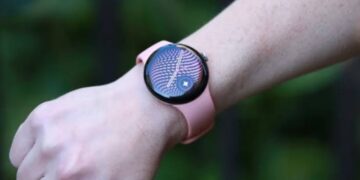




A one-stop shop for the majority of our digital wallet requirements is Google Wallet. In addition to adding more US banks each month, the software allows users to save passes, tickets, keys, digital IDs, and other things for easy access.
Earlier this year, the online giant with headquarters in Mountain View moved some of Google Wallet’s features to Wear OS watches. These features included PayPal support for speedy payments and Pass Groups, which greatly enhanced the way passes are managed and displayed on Wear OS watches.
Users should now be able to access a lot more directly from their wrist thanks to Google Play Services v24.47. The Play Services upgrade should now enable users to add corporate badges, campus IDs, and hotel keys to their Android wearable devices, as the tech giant emphasized in new release notes today. Bank cards, transit cards, and passes with barcodes or QR codes are among the new additions.
Along with adding support for additional access cards, the update expands the availability of Google Wallet, making the free service accessible in 97 countries on Android and Wear OS smartphones.
You will need to wait for the release of the Google Play services update
It’s important to remember that your Android device’s Google Wallet already has the ability to store a few more access cards, such as passports and driver’s licenses. We’re not holding our breath for these documents to appear on Wear OS anytime soon because they don’t really make sense on small screen devices.
It’s also important to note that the latest features are only available on wearables that support NFC, which your best Android wearable ought to have. Version 24.47 of Google Play services is currently being rolled out, albeit it may not be generally accessible just yet.
In other Google Wallet-related news, the tech giant is finally allowing children with Family Link accounts to tap to pay. Children will be able to use the feature on their Android devices when it launches next year, and parents will have full control over each card that is put to their child’s digital wallet. Parents will be able to keep an eye on their children’s transactions, and spending will be limited to in-person purchases, similar to how the feature is implemented on the Fitbit Ace LTE.