















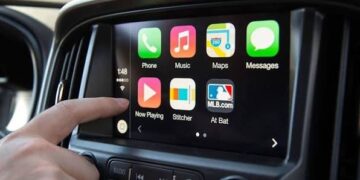


In today’s fast-changing world, technology and marketing are no longer separate entities; they have clashed in ways that have revolutionized sectors. The intersection of these two professions has resulted in more inventive, data-driven, and personalized ways to approach customers. Technology is no longer a supporting role; rather, it is the engine behind marketing success, as companies of all sizes try to stay ahead.
The Impact of Artificial Intelligence on Modern Marketing Campaigns
Artificial intelligence is at the forefront of the technology-driven marketing revolution. Artificial intelligence enables marketers to create smarter, more effective campaigns by leveraging predictive analytics, machine learning algorithms, and real-time data processing. AI is assisting companies in providing highly customized experiences that appeal to specific consumers, as opposed to simply automating monotonous chores. AI can foresee consumer behavior through comprehensive data analysis, allowing organizations to tailor their messaging to each stage of the consumer journey.
Beyond data analysis, virtual assistants and chatbots powered by artificial intelligence are changing customer interactions. These tools collect essential data about consumer preferences and challenges and provide prompt, 24-hour assistance. This direct line of contact allows companies to better understand their consumers, resulting in more focused and successful marketing initiatives.
Big Data and Analytics: Driving Smarter Marketing Decisions
Modern marketing is based on data. As a result, the development of big data analytics has provided companies with an unheard-of understanding of client behavior. Marketers now have access to massive data repositories from a variety of sources, including social media, internet activity, purchase history, and more, allowing them to make data-driven decisions that were previously impossible. This ensures that the correct message reaches the correct audience at the correct time, allowing for better-targeted advertising.
Big data-powered predictive analytics enables companies to anticipate consumer needs before they arise. This proactive method not only improves the client experience but also raises conversion rates.
Mass SMS Texting: The Future of Real-Time Customer Engagement
Mass texting is one of the most effective strategies for engaging clients in real-time. SMS marketing allows companies to engage their customers directly and promptly, with significantly greater open rates than email marketing. Mass SMS texting ensures that your message is recognized and acted upon right away, whether you’re sending out deals, reminders, or promotions. This direct and personal kind of communication creates an intensity and immediacy that other mediums simply cannot match. The answer to effective bulk SMS texting, however, is to write messages that are both concise and interesting. Every book should deliver value, whether in the form of exceptional discounts, flash sales, or important updates.
Social Media Platforms: Blurring the Line Between Technology and Marketing
Social media platforms have become the ultimate marketing playground, blurring the lines between technology and human contact. These websites provide companies with access to billions of individuals as well as unmatched opportunities for engagement and brand building. Successful social media marketing is dependent on your ability to create content that appears authentic while utilizing the technical tools available to expand reach.
Social media marketing’s success is based on technology, from ad placement to algorithm targeting. The ability of technology to micro-target specific groups is one of its most significant effects on social media. Companies can now tailor their advertisements to the specific demographics of their prospective customers.
Creating Customer Immersion Experiences Using AR and VR
Augmented and virtual reality (AR/VR) are increasing client engagement to previously unheard-of levels by providing fully immersive experiences that reject the idea of physical and digital separation. AR and VR enable consumers to interact with products in previously imagined ways in marketing. These technologies enhance the user experience, making it more engaging and customized, whether it’s digitally trying on items, testing furniture in a digital area, or investigating a virtual store.
Companies may use AR and VR to stand out in a saturated field. These technologies offer a novel approach to promoting products, communicating with customers, and forming emotional bonds. AR and VR are becoming vital tools for organizations looking to stand out, as customers expect brands to create unique and interesting experiences.
Conclusion
As marketing and technology converge, customized experiences, real-time communication, and data-driven strategies have become the standard. Using these technology-driven tools and techniques will allow you to stay ahead of the competition and ensure that your marketing initiatives are as effective and successful as they can be. The direction of marketing is currently being influenced by technology.